July 2026
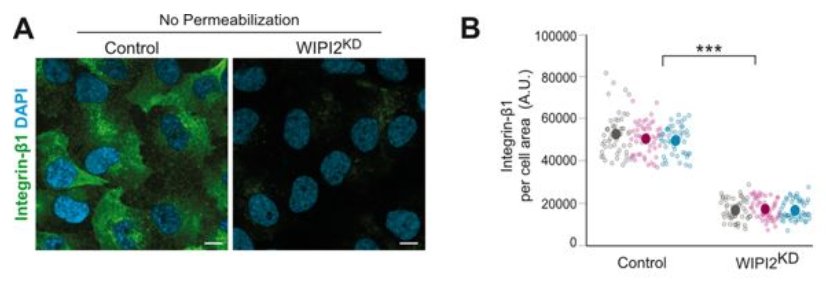
CROP2 harvests Retriever !
After characterizing the mammalian CROP1 complex involved in the fission of endosomal Retromer coated tubules, here is the CROP2 complex involved in the fission of Retriever coated tubules !!!
Membrane Trafficking
View on PubMed
April 2026
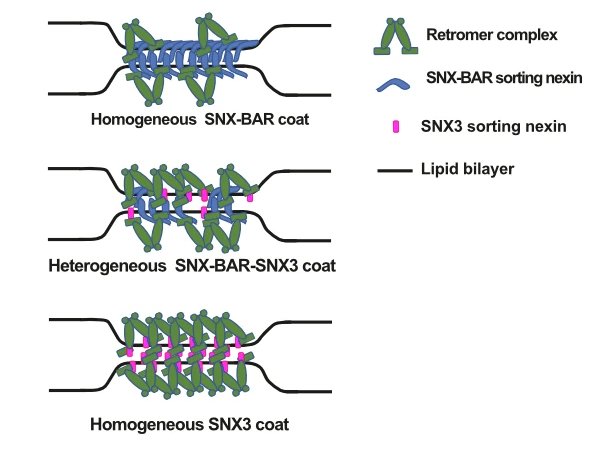
Hybrid endosomal Retromer coats
You thought that each Sorting Nexin / Retromer complex defined a specific recycling route ? Well you might have to change your view...
Membrane Trafficking
View on PubMed
December 2025
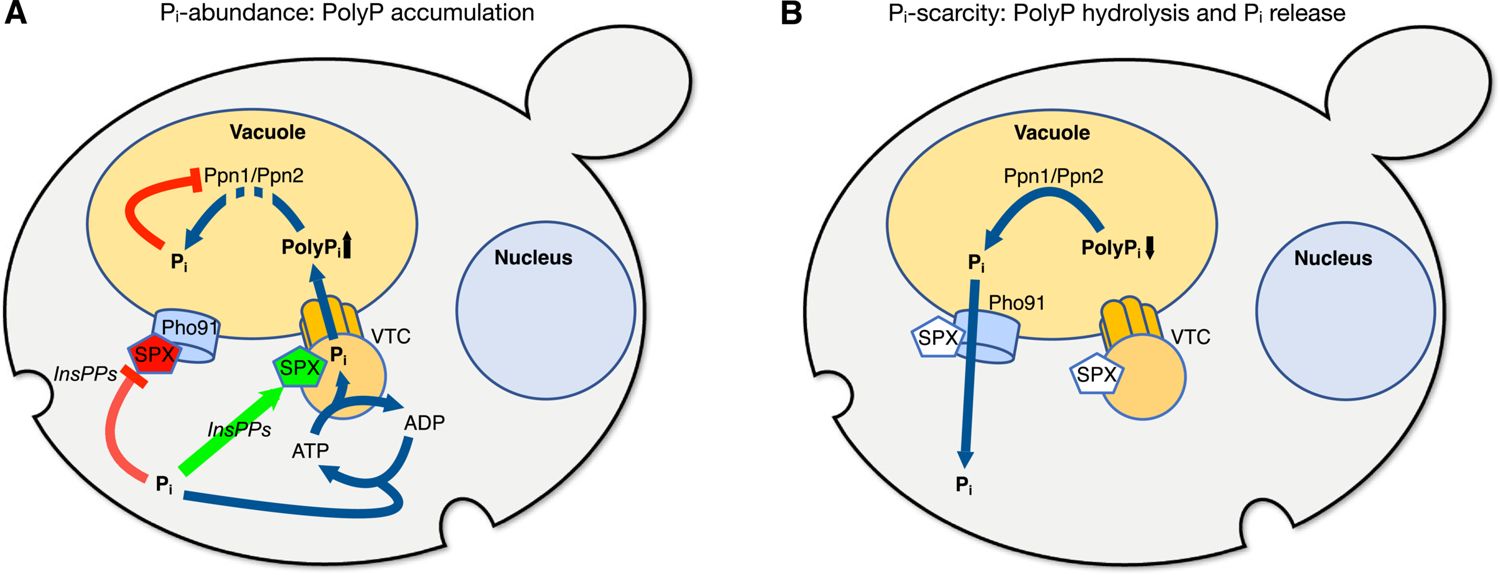
Paper on Acidocalcisome function in yeast out !
Ever heard about acidocalcisomes ? Well this almost ubiquitous organelle is worth reading about. Learn more with our paper "Acidocalcisome-like vacuoles constitute a feedback-controlled phosphate buffering system for the cytosol" in eLife. In collaboration with Samuel Bru from the Department of Biomedical Sciences, Faculty of Medicine and Health Sciences, Universitat Internacional de Catalunya, Barcelona, Spain
Phosphate homeostasis
View on PubMed
November 2025
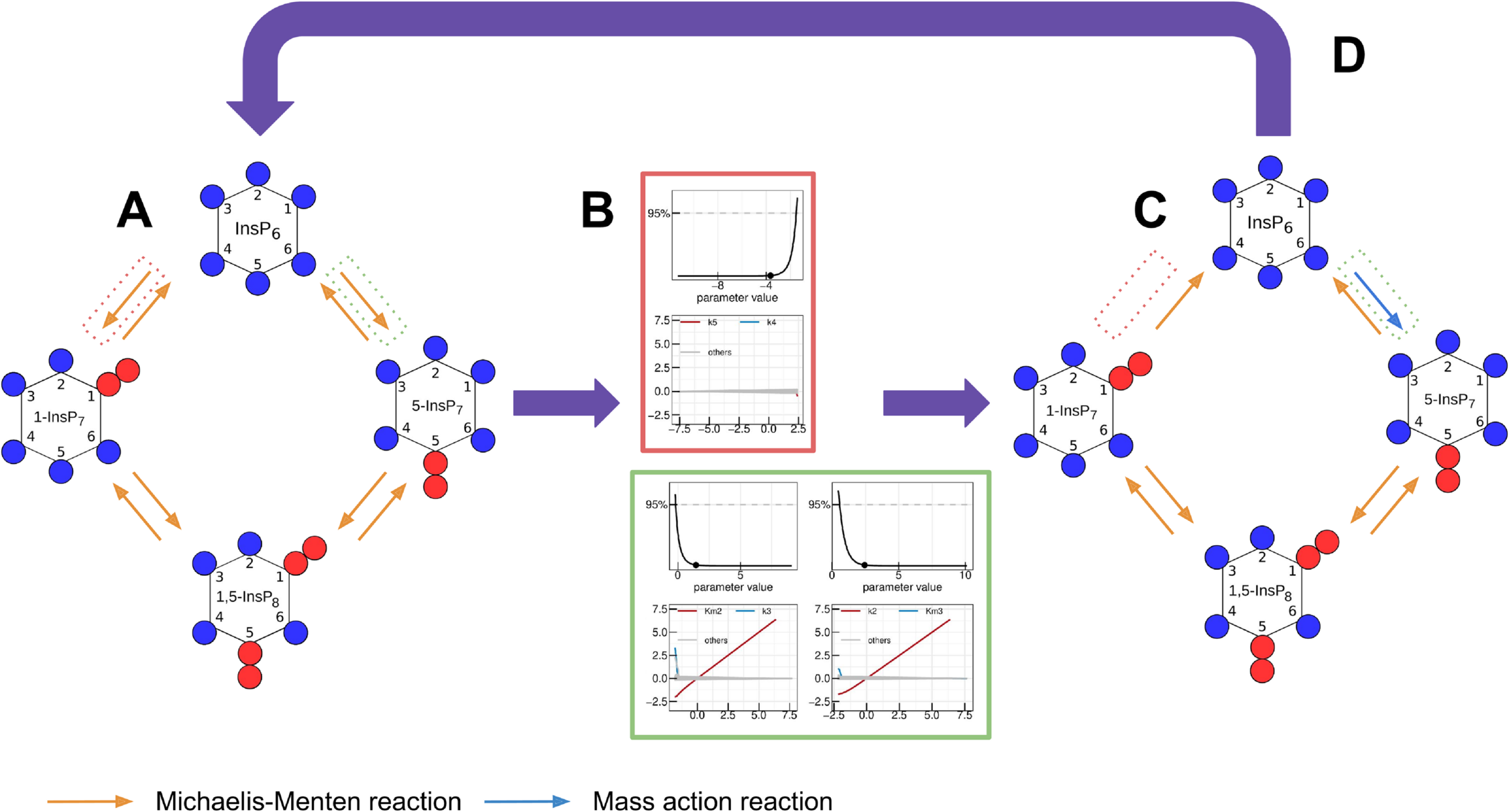
Only one road leads to IP8
Utilizing pulse-labelling experiments with 18O water and ordinary differential equation (ODE) models, we explore the synthesis and turnover of the highly phosphorylated IPP, 1,5-InsP8. Our findings challenge the notion that 1,5-InsP8 can be synthesized through distinct routes, revealing a linear reaction sequence in both systems.
A fruitful collaboration with Jacques Hermes and Jens Timmer at the Institute of Physics, University of Freiburg, Freiburg, Germany.
Phosphate homeostasis
View on PubMed
May 2025
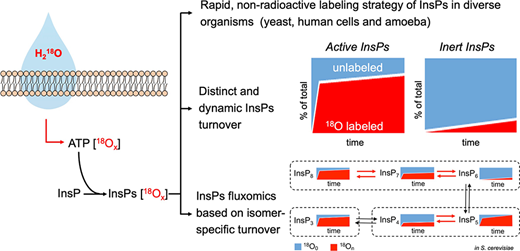
Discover the power of 18O labelling !
We demonstrate a rapid (seconds to minutes) and nonradioactive labeling strategy of inositol polyphosphates through 18O-water in yeast, human cells, and amoeba, which can be applied in any media. In combination with capillary electrophoresis and mass spectrometry, 18O-water labeling simultaneously dissects the in vivo phosphate group dynamics of a broad spectrum of even rare inositol phosphates.
A collaboration with our friends and colleagues at the Institute of Organic Chemistry, University of Freiburg, Germany
Phosphate homeostasis
View on PubMed
April 2025
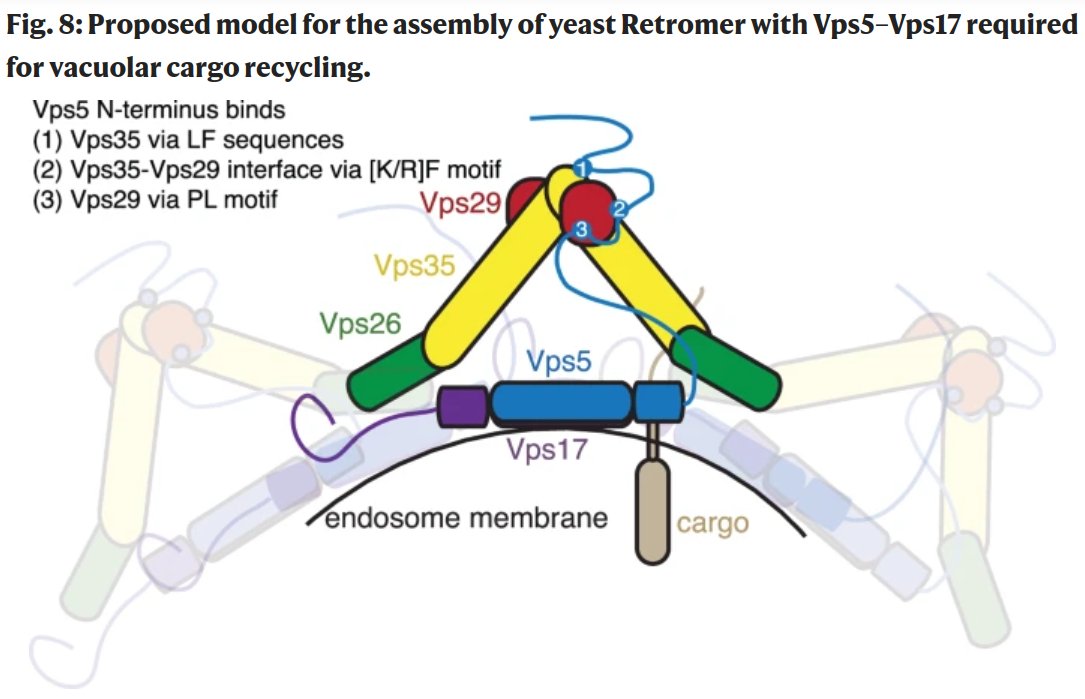
Read about how the yeast SNX-BAR Vps5 and Vps17 recruit the Retromer complex.
A small contribution to a great study led by Kai-En Chen and Brett Collins at the University of Queensland.
Membrane Trafficking
View on PubMed
January 2025
New Method Paper Out !!
Fluorescence recovery after photobleaching (FRAP) can be employed to investigate membrane lipid mixing of vacuoles in live budding yeast cells and distinguish the fused, hemi-fused or non-fused states of these organelles under physiological conditions. Here, we describe a protocol for labeling the outer and inner leaflets of vacuoles in live cells that allow detection of hemifusion intermediates and, thus, identify components necessary for fusion pore opening.
Membrane Trafficking
View on PubMed
October 2024
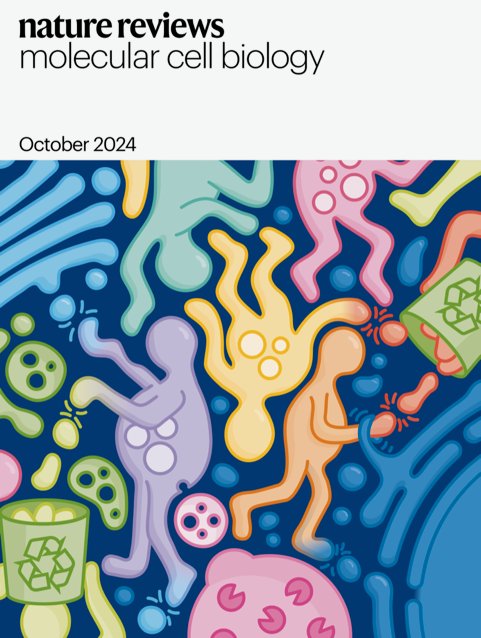
New Review on Assembly and Fission of Endosomal Tubular Carriers
Assembly and fission of tubular carriers mediating protein sorting in endosomes
Read our new review written in collaboration with Kai-En Chen and Brett Collins in Nature Reviews Molecular Cell Biology
Membrane Trafficking
View on PubMed